Gas Generator Systems for Explosion-Proof Applications
Introduction
- Introduction
- Understanding Explosion-Proof Gas Generators
- Key Challenges and Solutions in Explosion-Proof Gas Generator Systems
- How to Choose the Right Explosion-Proof Gas Generator System?
- Leading Brands and Suppliers of Explosion-Proof Gas Generators
- Installation and Operational Best Practices for Explosion-Proof Gas Generators
- Conclusion
- FAQ
- Partner with CNMC for Reliable Explosion-Proof Power Solutions
- References
For businesses working in dangerous environments where flammable gases, vapors, or combustible dust particles pose serious explosion risks, Gas Generator Systems for explosion-proof applications represent a crucial safety option. These specialized power generation units use cutting-edge engineering, certified safety parts, and strict testing procedures to make sure that there is a steady supply of electricity in petrochemical plants, mines, and other high-risk industrial settings while also meeting the highest safety standards.
Introduction
This book gives you a complete look at gas generator systems that are specifically made for dangerous and explosion-proof workplaces. It stresses how important explosion-proof gas generators are for safety, following the rules, and having a steady power source in risky industries like oil and gas, chemicals, and mining. The material is made for buying managers, engineers, distributors, and OEM clients who need power solutions that are safe, certified, and up to strict international standards. By learning about these complex systems, people who work in B2B buying can make smart choices that protect their businesses and make them more efficient.
There is more and more pressure on modern production facilities to keep running all the time while following strict safety rules. When power goes out in dangerous places, it can lead to a chain reaction of safety risks. For this reason, having reliable backup power systems is important for keeping operations going. Investing in properly approved explosion-proof generators not only saves people and equipment, but also makes sure that changing safety and environmental rules in different areas are followed.
Understanding Explosion-Proof Gas Generators
Explosion-proof gas generators have special features and strict approvals (ATEX, IECEx, UL) that make them safe to use in places where there is a risk of burning gas or dust. In contrast to regular generators, these units have strong casings, spark arresters, and built-in safety features that are designed to keep possible ignition sources inside. This part talks about the operating rules that are meant to lower the risk of explosions and the benefits they offer, such as better safety, following the rules, and long-lasting performance in tough industrial settings.
Advanced Safety Engineering Features
Explosion-proof gas generators are based on the idea that ignition sources shouldn't come into touch with dangerous atmospheres. The enclosures used in these systems are carefully made so that they can withstand fires inside without letting flames or hot gases escape. The materials used for enclosures are usually made of strengthened steel that is precisely sized to keep the containment intact in harsh circumstances.
Clean Fuel Technology and Environmental Benefits
Modern explosion-proof gas generators use natural gas or LPG, which burn cleanly and produce much lower amounts of particulate matter, nitrogen oxides, and sulfur oxides than diesel generators. This clean combustion technology makes sure that the process is eco-friendly and makes it easier to follow the rules that are becoming stricter about the environment. Because these systems produce fewer pollution, they are especially appealing to sites that want to leave less of an impact on the environment while still keeping their operations running smoothly.
Dual Fuel Flexibility and Supply Security
Most types of explosion-proof gas generators can run on both natural gas and LPG (propane), which is very important for industrial operations that need to be able to use different fuels. This ability to use two types of fuels gives a safe backup fuel choice in case the pipeline supply goes down, which makes the whole system more resilient. This is especially helpful for sites that are far away or don't have a lot of fuel infrastructure, because it makes sure that power is always available even if there are problems in the supply chain.
Key Challenges and Solutions in Explosion-Proof Gas Generator Systems
Explosion-proof gas generators can be hard to use in dangerous places because they waste fuel, are hard to maintain, and could break down because they are exposed to extreme conditions. To fix these problems, you need to stick to repair schedules, handle fuel well, and follow thorough troubleshooting steps to avoid costly downtime. The most important thing is still safety, which means good placement, training for staff, and being ready for emergencies. This part gives you practical ways to improve performance, make tools last longer, and stay in line with regulations.
Maintenance and Operational Cost Management
Because explosion-proof equipment is so specialized, people often worry about how hard it will be to maintain and how much it will cost to run. However, systems that use natural gas usually have lower running costs than systems that use diesel. This is because natural gas is more cost-effective and results in lower long-term fuel costs. Because the combustion is cleaner, there is less carbon buildup in the engine. This means that oil changes and upkeep are done less often, which lowers the total cost of ownership.
Technical Integration and the ability to transfer data automatically
Modern gas generators that won't explode work perfectly with Automatic Transfer Switch (ATS) systems to get power back on right away when the grid goes down. Some models can work in parallel with the grid, which lets you do things like peak shaving or sell extra power back to the grid when the rules allow it. This ability to integrate makes sure that important industrial processes keep running without any help from a person, which lowers the chance of mistakes happening during emergencies.
Strong design and smart control systems
Explosion-proof generators are built with industrial-grade parts and have digital control panels that are easy to use and allow real-time tracking. These systems keep track of important factors like voltage, frequency, runtime, and warning conditions. They can also diagnose themselves, which makes troubleshooting easier. Intelligent control systems allow for planned repair plans that help keep equipment from breaking down when it's least expected and make it last longer.
How to Choose the Right Explosion-Proof Gas Generator System?
When choosing an explosion-proof generator, you need to think about a lot of things. The power output, the fuel economy, and the explosion-proof certifications that it needs are all very important. To lower operating risks, procurement strategies should think about how reliable a company is, its guarantee, and its service support. By comparing gas and diesel choices and thinking about portable vs. standby setups, you can better match tools to specific industry uses like oil and gas or mining. This part gives B2B buyers the tools they need to find customized, scalable options that work well with current processes.
Power Requirements and Load Analysis
To find the right generator capacity, you need to do a full load study that includes both normal activities and emergency situations. Large motor starting currents, important safety systems, and lighting needs must all be taken into mind in industrial buildings. Plans for future growth should be included in the analysis to make sure that the chosen system can handle growth without having to be replaced too soon.
Certification Requirements and Compliance Standards
Depending on how dangerous the area is, different industry settings need different types of licenses. ATEX certification is needed for operations in the European Union, IECEx certification is needed for operations in other countries, and UL certification is needed for operations in North America. Knowing these requirements will help you make sure that your purchasing choices are in line with legal requirements and that you don't run into any expensive compliance problems during installation or operation.
Fuel Infrastructure and Supply Considerations
Whether natural gas or LPG is used depends on the equipment that is already in place and how reliable the supply is. To link to a natural gas pipeline, you may need to coordinate with the utility company to set up the connection. When it comes to installation, LPG systems are more flexible, but they need storage tanks and frequent fuel supplies. Looking at how much fuel will cost and how easy it will be to get in the long term can help you get the best total cost of ownership over the generator's useful life.
Leading Brands and Suppliers of Explosion-Proof Gas Generators
This part talks about the best makers of explosion-proof gas generators, such as Honda, Yamaha, Generac, and Kohler, which are all stars in their fields. It talks about how industrial buyers can find the best deals, focusing on reliable dealer networks in North America and Europe, as well as flexible renting choices and good service after the sale. Case studies from real life show how reliable, cost-effective, and profitable these systems are for clients who use them. This shows how important it is to work with well-known names that offer proven, long-lasting solutions.
Global Sourcing and the Supply Chain
To successfully buy explosion-proof generators, you need to work with providers who know both the technical needs and the rules that must be followed in each market. Leading makers keep a full range of certifications and can provide the paperwork needed for governmental approvals. Long-term operational success is directly affected by the supplier's global presence and service network. This is especially true for multinational industrial operations that need uniform support standards across different areas.
Quality Control and Verification of Performance
Reliable providers back up their explosion-proof systems with a lot of testing paperwork and proof that they work. This includes testing for durability in dangerous conditions, testing for pollution to make sure the product doesn't harm the environment, and testing for dependability in important situations. The paperwork is needed during government checks and helps parties who are worried about safety and compliance risks understand why the money was spent.
Installation and Operational Best Practices for Explosion-Proof Gas Generators
For explosion-proof gas generators to work well and last as long as possible, they must be installed and used correctly. This part gives an in-depth installation guide that covers everything from getting the site ready to making sure it meets strict explosion-proof rules and working with fuel and electricity systems. It also goes over normal working procedures, such as keeping an eye on performance, logging data, and managing fuel. To help companies make sure their equipment purchases will still be useful in the future, new trends like digital diagnosis, predictive maintenance, and improvements in emissions control are also talked about.
Site Preparation and Safety Protocols
When putting in explosion-proof engines, it's important to pay close attention to the danger zones and safety limits. The installation spot needs to have enough air flow for the combustion air and waste gases, and it needs to be far enough away from possible ignition sources to keep them from touching each other. For electrical connections, you need conduits and junction boxes that are rated for the specific type of dangerous area.
Combining new safety systems with old ones
It is common for modern factories to have complex safety management systems that need to work well with emergency power tools. The control systems of the generator should be able to talk to the alarm systems, emergency stop procedures, and safety instrumentation systems of the building. This combination makes sure that everyone works together in case of a disaster and keeps the overall safety of the building intact.
Predictive maintenance and keeping an eye on performance
Advanced tracking tools allow for planned repair plans that stop equipment from breaking down without warning and make it last longer. Digital monitoring systems look for patterns in performance, find problems before they break down, and make the best repair schedules based on real working conditions instead of random time intervals. These features are especially useful for installations that are far away and may be hard or expensive to reach for upkeep.
Conclusion
Explosion-proof gas generators are an important part of safety infrastructure for businesses that work in dangerous places because they provide stable power while meeting strict safety standards. Clean-burning fuel technology, the ability to use two different fuels, and advanced safety engineering all work together to make strong value offers for industrial sites looking for long-lasting, legal power solutions. Modern systems have a lot of practical benefits, such as lower costs, less upkeep, and smart control features that make the system more reliable overall. Investing in properly certified explosion-proof generators saves people, equipment, and operations while also making sure that regulations are followed in a wide range of workplace settings.
FAQ
What certifications are required for explosion-proof gas generators?
Explosion-proof gas generators need different licenses based on where they are used and what kind of dangerous place they are in. In the European Union, sites must have ATEX certification. IECEx certification is recognized around the world for global projects, and UL certification covers markets in North America. These certificates show that the design, building, and testing of the tools meet strict safety standards for use in environments that could be explosive.
How often should explosion-proof gas generators undergo maintenance?
Explosion-proof gas generators usually need to be serviced at the times suggested by the maker, which are based on the number of hours used, the quality of the fuel, and the weather. Most systems need simple repair every 250 to 500 hours of use, and they need more thorough checks once a year or every 1000 to 2000 hours. Natural gas and LPG systems don't need to be serviced as often as diesel systems because they burn better. This cuts down on running costs and downtime.
Can explosion-proof gas generators operate in extreme weather conditions?
Modern explosion-proof gas generators have weather-resistant shelters and environmental protection systems that are made to work outside in a range of weather conditions. These systems have materials that don't rust and can be used in naval or industrial settings, as well as cold-weather starting aids and cooling system safety. Installation that is done right, with enough air and environmental safety, makes sure that the system works reliably in the wide range of temperature and humidity conditions that are common in industrial settings.
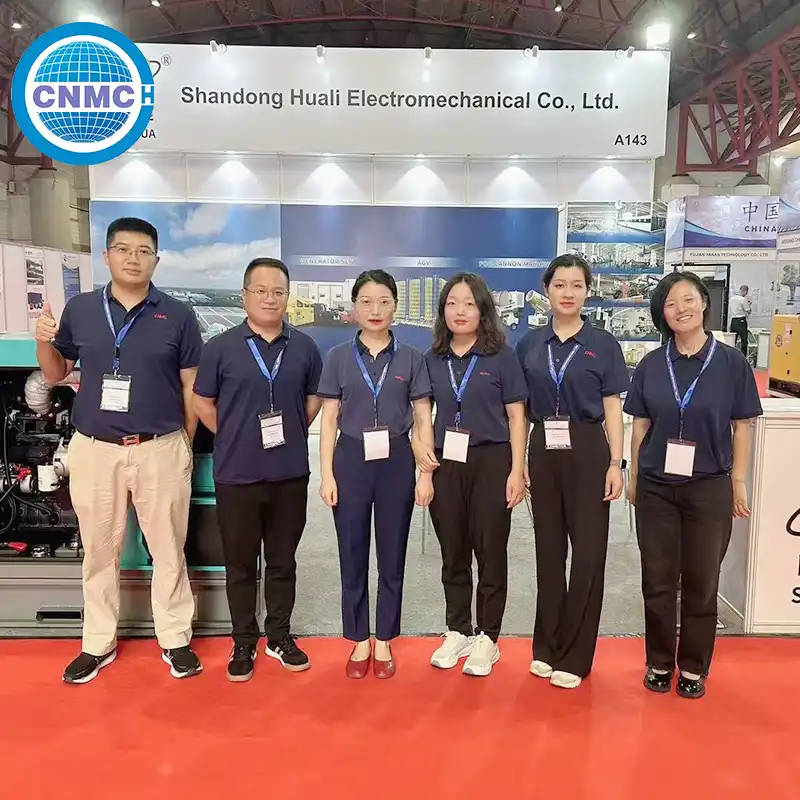
Partner with CNMC for Reliable Explosion-Proof Power Solutions
CNMC specializes in offering approved explosion-proof gas generator systems that are made to meet the strictest safety standards in the industrial world. Our wide range of products includes ATEX, IECEx, and UL-certified natural gas and LPG-powered units that can be used in dangerous settings all over the world. As a reliable gas generator provider that works with customers in over 150 countries, we offer low prices, full expert support, and full project solutions that include choosing the right equipment, helping with installation, and ongoing maintenance. Get in touch with our technical staff at sales@chinamachinery.cn to talk about your unique power needs and find out how our explosion-proof solutions can make your building safer and more reliable.
References
1. National Fire Protection Association. "NFPA 70: National Electrical Code - Article 500: Hazardous (Classified) Locations." 2023 Edition.
2. International Electrotechnical Commission. "IEC 60079 Series: Explosive Atmospheres - Equipment Protection Standards." Geneva: IEC Publications, 2022.
3. European Commission. "ATEX Directive 2014/34/EU: Equipment and Protective Systems for Explosive Atmospheres." Official Journal of the European Union, 2014.
4. American Petroleum Institute. "API RP 14F: Recommended Practice for Design and Installation of Electrical Systems for Fixed and Floating Offshore Petroleum Facilities." Washington, DC: API Publishing, 2021.
5. Underwriters Laboratories. "UL 2200: Standard for Stationary Engine Generator Assemblies." Northbrook, IL: UL Standards, 2022.
6. International Organization for Standardization. "ISO 8528 Series: Reciprocating Internal Combustion Engine Driven Alternating Current Generating Sets." Geneva: ISO Publications, 2020.

Jacky Hu
Founder of CNMC. Based in the fields of electrical manufacturing and engineering machinery, sharing insights on cutting-edge power technologies and industry applications.
Custom Turnkey Solutions for Your Complex Requirements
From design to delivery, we provide end-to-end support. Share your project specs for a comprehensive technical assessment.

_1766992442527.webp)
_1766992442535.webp)
_1766992442554.webp)


Recommended Blog
_1772160290761.webp)
_1772160544847.webp)
